
Publications are more than just books or articles—they share knowledge, shape opinions, and inspire action. They connect people across cultures and professions, helping us understand complex issues and spark new ideas. Whether you’re a student, professional, or curious reader, publications provide the insights and guidance you need.
For instance, UNESCO’s publications promote education, culture, and sustainable development worldwide, while WHO’s publications provide vital health information and research to guide communities and policymakers. Both examples show how publications can drive learning, progress, and positive change globally.
The Purpose of Publications
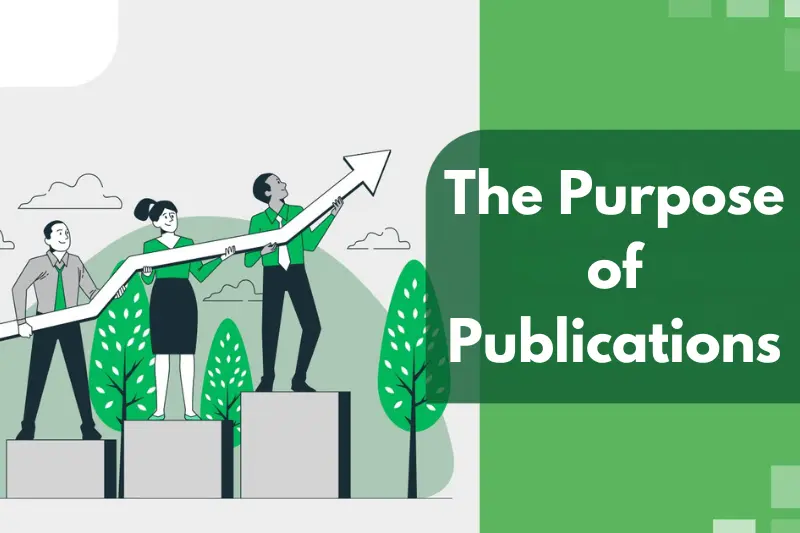
At their core, publications exist to disseminate knowledge. They serve a wide range of purposes depending on the intended audience:
- Informing the General Public: Some publications aim to raise awareness about critical topics, from environmental issues to cultural developments. These works often simplify complex topics to make them accessible to all.
- Providing Specialized Knowledge: Other publications are tailored to experts, researchers, and professionals. They provide in-depth analysis, research data, and actionable insights within specific fields.
Despite these differences, all publications share a unifying goal: to educate, inspire, and create impact. They are instruments of learning, communication, and societal progress. In a world driven by information, publications serve as repositories of knowledge, preserving insights from various fields and passing them on to future generations.
You may also like to read this:
What Is Curriculum? Definition, Components & Role
What Are Specializations? Definition, Examples, And Benefits
Certification Programs: Steps, Benefits, And Expert Tips
How Innovation Can Transform Your Business In 2025
Complete Guide To Research Projects For University Degrees
UNESCO’s Publications: Bridging Knowledge Across Borders
UNESCO’s publications are a prime example of how strategic publishing can foster global understanding. Covering a wide array of topics—including education, science, culture, communication, and information—they provide authoritative resources for both experts and the general public.
Accessibility and Reach
One of the most remarkable aspects of UNESCO’s publications is their global accessibility. Translated into over 70 languages, these publications transcend language barriers, ensuring that knowledge reaches communities worldwide. This inclusivity promotes equality in education, research, and cultural engagement, empowering countries and individuals that might otherwise have limited access to authoritative resources.
By reaching diverse audiences, UNESCO helps ensure that critical knowledge contributes to informed decision-making, sustainable development, and global collaboration.
Diverse Formats of UNESCO Publications
To effectively reach different audiences, UNESCO produces publications in multiple formats:
- Books and Reports: Comprehensive works that provide detailed analysis of specific topics, from educational policies to cultural heritage preservation.
- Journals and Articles: Peer-reviewed research designed for scholars, scientists, and experts seeking detailed studies and empirical findings.
- Policy Briefs and Guides: Practical recommendations for policymakers, enabling evidence-based decisions on education, culture, or sustainability issues.
- Co-editions and Collaborative Works: Produced in partnership with other international organizations, these works combine expertise to tackle complex global challenges.
Each format is carefully designed to maximize impact, whether the target audience is a researcher, educator, policymaker, or an inquisitive general reader.
Types of Publications and Their Roles

Publications come in many forms, each with a distinct purpose:
- Books and Reports – Ideal for in-depth exploration of subjects and research findings.
- Journals and Articles – Provide technical details, analyses, and studies for professionals and academics.
- Policy Briefs and Guides – Help governments and organizations make informed decisions with actionable insights.
- Co-editions and Collaborative Works – Combine perspectives and expertise from multiple organizations to address global issues effectively.
By serving different audiences, these publications ensure that knowledge is not only shared but applied, supporting education, innovation, and sustainable development across the globe.
The Impact of Publications
Publications are far more than static sources of information—they have the power to influence change. They:
- Inspire Innovation: By sharing research and ideas, publications spark creativity and new solutions to global challenges.
- Foster Collaboration: They bring together experts, policymakers, and the public to work toward common goals.
- Encourage Critical Thinking: By presenting evidence and insights, publications enable readers to evaluate information and make informed choices.
- Support Sustainable Development: UNESCO’s publications, for example, provide data and recommendations that guide nations in achieving environmental, social, and educational goals.
- Promote Cultural Understanding: Publications preserve cultural heritage, encourage cross-cultural dialogue, and raise awareness about diverse perspectives.
In essence, publications empower individuals, communities, and institutions to create a tangible impact on society.
Why Publications Matter to You
In today’s fast-paced, information-driven world, publications are more important than ever. They:
- Keep You Informed: Stay up-to-date with research, global issues, and emerging trends.
- Enhance Your Skills: Specialized publications provide in-depth knowledge to help improve professional or academic expertise.
- Enable Better Decision-Making: Reliable information helps you make thoughtful and evidence-based decisions.
- Empower You to Contribute to Change: By learning and sharing knowledge, you can actively participate in addressing social, environmental, or educational challenges.
Whether you are a student, professional, researcher, or a curious reader, publications offer a window into the vast world of knowledge and opportunities to engage with meaningful issues.
Conclusion
Publications are more than just written words—they are bridges connecting people, ideas, and knowledge across the globe. UNESCO’s publications exemplify this by making expert knowledge accessible, fostering learning, and driving positive global change.
Engaging with these publications allows you not only to gain information but also to participate in a global movement toward education, understanding, and progress. By connecting minds and sharing knowledge, publications empower us to make better decisions, inspire innovation, and contribute to a more informed and sustainable world.
In short, publications are indispensable tools for anyone seeking to learn, grow, and make a difference, proving that knowledge truly has the power to transform lives and communities worldwide.
FAQs
1. What are publications?
Publications are materials like books, journals, reports, or articles that share knowledge, educate, and inform readers.
2. Why are publications important?
They spread knowledge, support learning, inspire innovation, and influence decisions in society.
3. How do UNESCO publications help globally?
UNESCO publications cover education, culture, science, and communication, reaching over 70 languages to make knowledge accessible worldwide.
4. What types of publications exist?
Books and reports, journals and articles, policy briefs and guides, and co-editions or collaborative works.
5. Who benefits from publications?
Students, professionals, researchers, policymakers, educators, and curious readers.