

Research is the engine of progress, powering innovations that change our lives—from life-saving medical treatments to groundbreaking renewable energy technologies. But behind every discovery, there’s one key ingredient that often goes unnoticed: research funding. Without it, even the brightest ideas may never leave the lab.
Take, for example, the development of electric vehicles. Years of research on battery efficiency, safety, and sustainability were possible only because scientists received funding to experiment, test, and refine their ideas.
In this article, we’ll break down what research funding is, why it’s so important, how it works—especially in countries like Germany—and how researchers can access the support they need to turn their ideas into reality.
What is Research Funding?
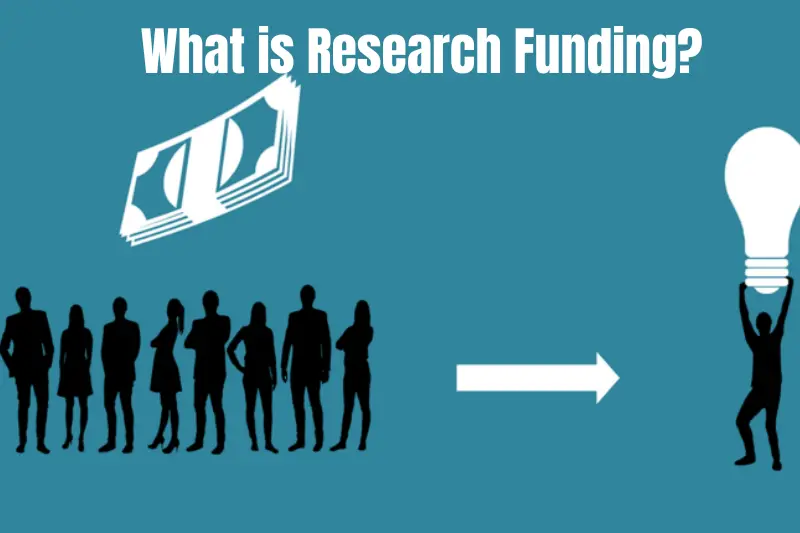
Research funding is the financial support provided to individuals, institutions, or organizations to carry out scientific studies, experiments, and projects. The purpose is to ensure that researchers have the necessary resources—such as equipment, materials, personnel, and infrastructure—to focus on their work without financial constraints.
Funding is critical because research often involves long hours, specialized tools, and sometimes expensive experimentation. Without funding, many promising ideas would never advance beyond the conceptual stage.
The Importance of Research Funding
Research funding is more than just a source of money—it is the cornerstone of progress. Here’s why it matters:
- Promotes Innovation: Funding enables researchers to explore novel ideas and technologies that could revolutionize industries.
- Supports Education: Universities and institutions use research grants to improve laboratories, training programs, and academic resources.
- Encourages Collaboration: International grants foster cooperation between researchers from different countries, enhancing global scientific advancement.
- Solves Real-World Problems: Many research projects address pressing societal challenges, such as climate change, healthcare, and sustainable energy.
- Advances Knowledge: Even basic research that may not have immediate applications contributes to our understanding of the world.
In essence, funding turns curiosity and creativity into tangible results that benefit society as a whole.
You may also like to read this:
How Innovation Can Transform Your Business In 2025
Complete Guide To Research Projects For University Degrees
Publications: Unlock Knowledge And Drive Global Change
Laboratories: Science, Safety & Innovation Explained
Academic Research Guide: Tips, Skills & Strategies
Research Funding in Germany: A Model of Global Cooperation
Germany is a prime example of how structured research funding can drive global scientific collaboration. The country places strong emphasis on internationally networked research, providing opportunities for both domestic and foreign researchers to contribute to scientific progress.
Here’s how Germany approaches research funding:
- Diverse Funding Organizations: Multiple institutions and government agencies are involved, including the German Research Foundation (DFG), the Federal Ministry of Education and Research (BMBF), and various foundations supporting specific disciplines.
- Focus on Innovation: Funding is available for everything from basic research in natural sciences to cutting-edge technologies and applied research.
- Support for Institutions: Universities and research centers receive structural funding to develop infrastructure, laboratories, and academic programs.
- International Collaboration: Germany actively encourages joint research projects with global partners, fostering knowledge exchange and cross-border innovation.
By combining financial support with international collaboration, Germany ensures that research funding not only advances science but also strengthens its global impact.
Types of Research Funding

Research funding comes in various forms, depending on the focus and scope of the project:
- Basic Research Funding: Supports fundamental research aimed at increasing knowledge without immediate commercial applications. Examples include studies in physics, chemistry, or biology that explore new theories.
- Applied Research Funding: Funds projects designed to solve practical problems or develop marketable products, such as medical technologies or renewable energy solutions.
- Institutional Funding: Provides universities and research institutions with resources for infrastructure, laboratories, equipment, and academic programs.
- International Research Grants: Encourages collaboration between researchers across borders, enabling large-scale projects that benefit from diverse expertise.
- Industry-Academic Partnerships: Corporations often fund research to develop new products or processes while universities provide technical expertise.
Each type of funding serves a unique purpose but shares the common goal of advancing knowledge and innovation.
How to Secure Research Funding
Getting research funding can be competitive, but preparation and strategy can significantly improve your chances. Here’s a practical roadmap:
- Identify the Right Funding Source: Research government grants, private foundations, and international programs that align with your field.
- Write a Strong Proposal: Clearly outline your research objectives, methodology, timeline, budget, and expected outcomes.
- Highlight Impact: Explain how your research will benefit society, advance knowledge, or contribute to technology.
- Collaborate: Partner with institutions, experienced researchers, or international teams to strengthen your proposal.
- Stay Compliant: Ensure your research plan meets ethical guidelines and funding requirements.
Successful applicants often demonstrate creativity, feasibility, and societal value in their proposals.
Challenges in Research Funding
While research funding is crucial, securing it comes with challenges:
- Intense Competition: Many promising projects compete for limited grants.
- Administrative Burden: Applying for grants often requires detailed paperwork, reporting, and compliance.
- Funding Gaps: Some fields may struggle to find adequate support, especially niche or emerging disciplines.
- Short-Term Grants: Limited funding duration may affect long-term research continuity.
Awareness of these challenges allows researchers to plan strategically and seek alternative funding sources when necessary.
The Future of Research Funding
The landscape of research funding is evolving, with trends such as:
- Increased International Collaboration: More cross-border research projects are emerging to tackle global issues.
- Private Sector Involvement: Corporations are investing in research for technological innovation and product development.
- Open Science Initiatives: Governments and organizations are promoting open-access research to make results more widely available.
- Sustainable Research Focus: Funding is increasingly directed toward projects addressing climate change, energy efficiency, and health crises.
These trends highlight the growing importance of strategic, well-funded research to solve global challenges.
Notable Research Funding Programs in Germany
Germany offers a wide variety of funding programs to support both national and international researchers. Here are some key examples:
1. German Research Foundation (DFG)
The DFG (Deutsche Forschungsgemeinschaft) is Germany’s central research funding organization. It provides grants for:
- Basic research in natural sciences, engineering, and humanities.
- Collaborative research projects across universities and institutes.
- International research partnerships.
The DFG is known for its rigorous selection process, emphasizing scientific excellence and innovation.
2. Federal Ministry of Education and Research (BMBF)
The BMBF finances applied research and innovation projects. It focuses on:
- Developing new technologies in fields like AI, renewable energy, and healthcare.
- Promoting collaborations between universities, research institutions, and industry.
- Funding young researchers through scholarships and career development programs.
3. Alexander von Humboldt Foundation
This foundation supports international researchers who wish to conduct research in Germany. Key programs include:
- Humboldt Research Fellowships for postdoctoral researchers.
- Georg Forster Research Awards for outstanding scientists from developing countries.
- Networking opportunities with German academic institutions.
4. European Union: Horizon Europe
While not exclusively German, many German institutions participate in the EU’s Horizon Europe program, which funds:
- Large-scale collaborative research projects across European countries.
- Innovation projects targeting societal challenges like climate change, healthcare, and sustainable industry.
- Cross-disciplinary research networks that foster international cooperation.
How Researchers Can Take Advantage of These Programs
- Understand Eligibility: Each program has specific requirements regarding nationality, academic background, and project type.
- Prepare Strong Applications: Clearly define research goals, methodology, expected outcomes, and societal impact.
- Seek Mentorship: Collaborate with experienced researchers who have previously secured funding.
- Leverage Networking Opportunities: Many programs, like Humboldt Fellowships or Horizon Europe projects, offer conferences, workshops, and collaborative platforms.
- Stay Updated: Funding deadlines and program priorities change regularly. Subscribe to newsletters or check official websites to stay informed.
Benefits of Participating in German Research Funding Programs
Engaging with these funding opportunities offers significant advantages:
- Access to state-of-the-art laboratories and resources.
- International collaboration with leading researchers and institutions.
- Recognition and credibility in the global academic community.
- Career advancement through fellowships, awards, and publications.
Conclusion
Research funding is the engine behind innovation, scientific discovery, and global collaboration. Germany’s structured and diverse funding landscape demonstrates how investment in research drives societal and technological progress. By understanding available programs and strategically applying for grants, researchers can transform ideas into impactful projects that benefit the world.
Whether you aim to conduct basic research, develop new technologies, or collaborate internationally, research funding is your gateway to turning curiosity into real-world solutions.
FAQs
1. What is research funding?
Research funding is financial support provided to researchers, institutions, or organizations to carry out scientific studies, experiments, and projects. It ensures access to necessary resources like equipment, materials, and manpower.
2. Why is research funding important?
It fuels innovation, enables scientific discoveries, supports education and infrastructure, fosters collaboration, and helps tackle societal challenges through applied research.
3. Who provides research funding?
Funding comes from government agencies, universities, private foundations, industry partners, and international organizations. In Germany, key providers include the DFG, BMBF, Alexander von Humboldt Foundation, and Horizon Europe programs.
4. What types of research funding exist?
Basic Research: Expands fundamental knowledge without immediate commercial use.
Applied Research: Focuses on practical solutions and technological development.
Institutional Funding: Supports universities and research institutions with labs, infrastructure, and academic programs.
International Grants: Encourages global collaboration and cross-border projects.
Industry-Academic Partnerships: Funds research aimed at product or process innovation.
5. How can researchers apply for funding?
Researchers should identify suitable programs, prepare strong proposals with clear objectives, methodology, budget, and expected impact, collaborate with experienced institutions, and follow ethical and procedural guidelines.